Klassik Style: A Retro Bold Script for Timeless Design
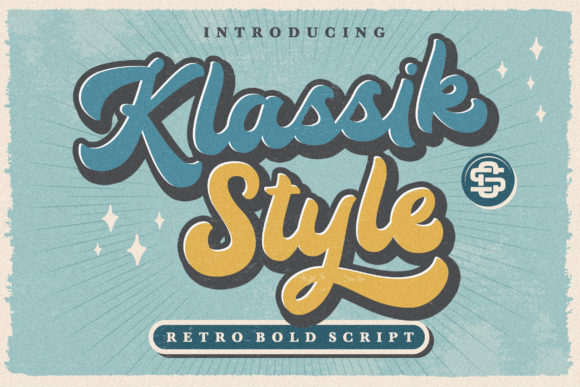
There’s a certain confidence in the past. Not a nostalgic longing for what was, but an appreciation for design that was built to last. This is the spirit captured in Klassik Style. It’s a retro bold script font that feels less like a trend and more like a rediscovered classic. Inspired by the hand-lettered typography of vintage advertising posters, it carries a personality that is both bold and approachable, immediately giving any project a sense of established character. When you use it, you’re not just choosing a typeface; you’re invoking a specific mood of enduring quality.
More Than a Throwback: The Font's Modern Appeal
At first glance, Klassik Style’s visual character is unmistakable. It’s a script font, but its form is robust and assertive. The letterforms feature a confident weight, with smooth, flowing connections that mimic the natural rhythm of a sign painter’s brush. This isn’t a delicate, spidery script; it has a bold presence that commands attention without shouting. The slight variations in stroke width and the subtle imperfections are where its charm lies, offering an authentic, handcrafted feel that digital perfection often lacks. This makes it an incredibly versatile display font, perfect for headlines, logos, and anywhere you need a strong typographic voice.
The true strength of Klassik Style is how it bridges eras. While its inspiration is clearly retro, its execution is clean enough for contemporary use. It avoids the trap of looking kitschy or dated. Instead, it feels timeless. For a designer working on a brand identity, this is gold. It allows a brand to tap into nostalgia—conveying heritage, craftsmanship, and trust—while still feeling relevant and fresh. For a small business owner, it offers a shortcut to a professional, curated look that might otherwise require a much larger budget. It’s a premium font that provides immediate personality.
Where Klassik Style Truly Shines: Practical Applications
Understanding a font’s personality is one thing; knowing where to deploy it is another. Klassik Style excels in projects where personality and impact are key. Think about the first place you’d see a great vintage poster: a headline. This font is built for that. It’s spectacular for editorial design, especially for magazine covers, feature article titles, or blog headers where you want to draw the reader in with a strong statement. The same principle applies to packaging design. Imagine a craft coffee bag, a artisanal hot sauce label, or a boutique candle. Klassik Style immediately communicates care, tradition, and a product worth noticing on a crowded shelf.
In the digital realm, its utility is just as strong. For logo design, it can form the cornerstone of a memorable identity, particularly for brands in food and beverage, apparel, grooming, or any service that prides itself on a classic craft. On social media graphics, it can stop the scroll. A bold, stylish script on an Instagram post or a Facebook ad feels more personal and engaging than a standard sans serif. For web design, it’s best used strategically—think hero section headlines, pull quotes, or key calls-to-action—rather than for body text, where a clean sans serif font or serif font would ensure better readability.
Pairing for Hierarchy and Balance
No font is an island. A key skill in typography is creating effective font pairing. Klassik Style, as a dominant display font, needs a complementary partner for longer blocks of text. Its bold, expressive nature pairs beautifully with simple, neutral typefaces. For a clean, modern contrast, pair it with a geometric sans serif font like Futura or Montserrat. The simplicity of the sans serif lets the script headline shine without visual competition. For a more traditional or editorial feel, combine it with a classic, readable serif font like Garamond or Baskerville. The serif’s formality grounds the script’s exuberance, creating a sophisticated and balanced layout. Always test your pairings in context to ensure they work harmoniously.
Integrating Klassik Style Into Your Workflow
Choosing a creative font like Klassik Style is the first step. Using it effectively is the next. Start by reviewing the full set of design assets included with the font family. Many premium fonts come with alternates, ligatures, and stylistic sets. These are not just extras; they are tools for customization. Swapping out a standard ‘a’ for an alternate or connecting certain letter pairs with a ligature can make your text feel truly unique and hand-lettered, avoiding the repetitive look that can plague script fonts.
Readability must always be a priority, especially for commercial font use. Klassik Style is optimized for impact, not for reading paragraphs. Use it at larger sizes where its detailed letterforms can be appreciated. For body copy, always default to a highly legible typeface. Consider your audience and medium. For print projects like brochures or business cards, the font will render with crisp detail. For web design, ensure you have the proper web font license and test it across browsers for consistent rendering. Its bold strokes generally hold up well on screen, but checking on different devices is a mark of a careful professional.
Ultimately, Klassik Style is a tool for storytelling. It helps a café tell a story of timeless comfort. It helps a boutique tell a story of curated style. It helps a content creator tell a story with personality. It’s a typeface that doesn’t just display words; it sets a scene. When you integrate it thoughtfully—respecting its strengths, pairing it wisely, and applying it to the right projects—you’re not just making something look good. You’re crafting an experience, building recognition, and engaging your audience on a level that feels both familiar and exciting. That’s the real value of a well-chosen font.