Bringing Warmth to Your Design: The Guttenly Script Font
There’s a specific moment in every design project where you have to decide on the voice. You might have the perfect image, a solid layout, and a compelling call to action, but if the typography feels cold or generic, the connection with your audience often falls flat. This is particularly true in a digital landscape dominated by rigid sans serif fonts and algorithmic precision. Enter Guttenly, an elegant hand-lettered script font that bridges the gap between professional polish and human touch. It isn't just a collection of characters; it is a design asset that brings a casual, organic feel to any project.
For designers, entrepreneurs, and content creators, the struggle to find a typeface that feels authentic without looking messy is real. Guttenly solves this by offering elegant characters that maintain a high level of legibility. It captures the essence of modern typography trends that favor personalization, making it a versatile tool for anyone from a small business owner creating packaging to a blogger designing social media graphics.
The Visual Personality of Guttenly
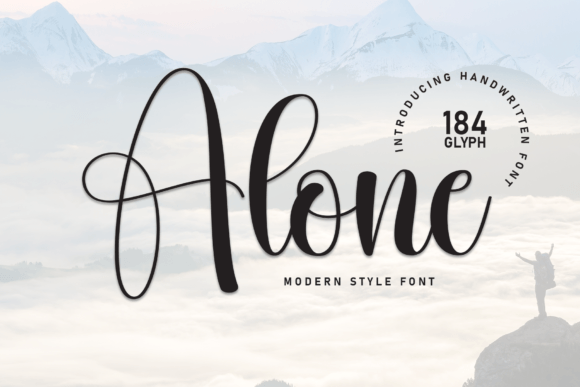
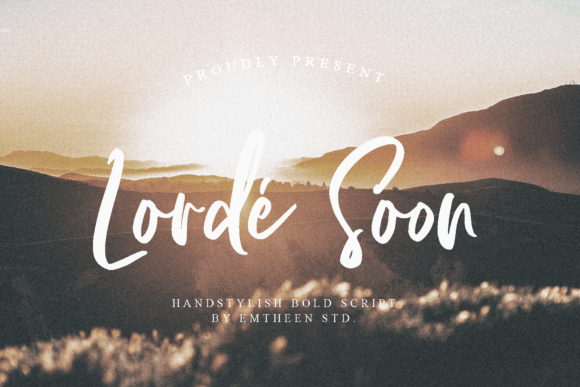
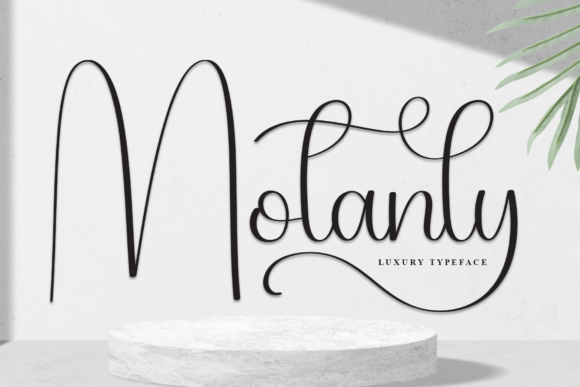
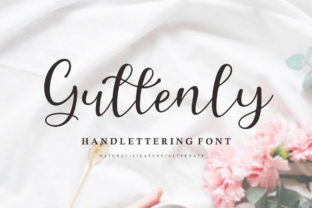
Understanding a font goes beyond just seeing what it looks like on a screen; it involves recognizing the emotion it conveys. Guttenly is best described as a script font with a distinct "casual elegance." Unlike rigid calligraphy or overly formal cursive, this typeface mimics the natural flow of a steady, artistic hand. The strokes are smooth and connected, but they avoid the heavy flourishes that can sometimes make handwritten fonts difficult to read in smaller sizes.
The visual character of Guttenly lies in its balance. It possesses the spontaneity of a handwritten font but carries the structure required for commercial use. This makes it an excellent choice for logo design, where you need a mark that feels approachable yet professional. The letterforms have a rhythm to them that guides the eye naturally across the page, creating a sense of movement that static block letters simply cannot achieve.
Where Guttenly Fits Best: Practical Applications
When selecting a premium font, you need to visualize it in action. Guttenly shines in environments where you want to establish a personal connection with the viewer. Here is how different professionals can leverage this creative font:
- Branding and Identity: If you are building a brand identity for a boutique, a bakery, or a lifestyle coach, Guttenly serves as a powerful primary or secondary typeface. It tells customers that there is a human behind the brand who cares about quality and aesthetics.
- Publishing and Editorial Design: In editorial design, such as magazines or little books, script fonts are essential for breaking up the monotony of body text. Guttenly works beautifully for pull quotes, chapter titles, and subheadings, adding a touch of personality to the layout.
- Marketing and Advertising: Whether it is a flyer for a local event or a digital banner, this font draws attention without shouting. It is particularly effective in packaging design, where shelf appeal is everything. Imagine this font on a coffee bag or a handmade soap label—it instantly communicates craft and care.
- Digital Presence: For web design and social media graphics, Guttenly provides a visual break from standard UI fonts. It is perfect for Instagram quotes, Pinterest pins, and website headers where you want to make a memorable first impression.
Strategic Typography: Readability and Hierarchy
A common pitfall in using display fonts is sacrificing readability for style. While Guttenly is undeniably stylish, it is engineered to function effectively in real-world scenarios. However, as with any script font, context is key. You would not use a handwritten font for the body text of a technical manual, but for short bursts of text, it is incredibly effective.
Using Guttenly influences your visual hierarchy. By pairing it with a clean sans serif font or a sturdy serif font, you create a dynamic contrast. The sans serif handles the heavy lifting of information delivery, while Guttenly draws the eye to the most critical elements, such as a sale price, a product name, or a heartfelt message. This interplay between fonts is a cornerstone of modern typography, helping to guide the reader’s eye exactly where you want it to go.
Evaluating Project Fit and Font Pairing
Before committing to a typeface, it is wise to evaluate how it meshes with your existing design assets. Guttenly has a distinct voice—it is friendly, warm, and inviting. If your brand voice is strictly corporate, serious, or technical, a casual script might send mixed signals. However, for brands aiming for warmth, creativity, or luxury (think artisanal goods), it is a perfect match.
When testing font pairing, consider the x-height and weight. Because Guttenly is an elegant script, it pairs best with fonts that have a consistent baseline and moderate weight. A heavy, blocky sans serif might overwhelm the delicate strokes of the script, while a very thin sans serif might make the layout feel fragile. Look for a medium-weight sans serif to ground the layout.
Commercial Considerations and Licensing
For freelancers and agencies, the legal aspect of typography is just as important as the aesthetic. Guttenly is a commercial font, which typically means it comes with specific licensing terms that allow you to use it in paid projects, client work, and merchandise. Always review the license details before finalizing a design.
Check for the availability of different styles. Some script fonts come with alternates, ligatures, or swashes that allow you to customize the look of specific letters. This is particularly useful in logo design, where you might want to avoid two identical letters looking exactly the same side-by-side. These extra features add value to the font and flexibility to your designs.
Final Thoughts on Integration
Integrating a new typeface into your workflow is about more than just installation. It requires a shift in how you approach layout and composition. Guttenly encourages a softer, more organic approach to design. It invites you to slow down and consider the emotional resonance of your text.
Whether you are a hobbyist working on a scrapbook, a publisher laying out a poetry collection, or a marketer crafting an email campaign, this font offers a way to humanize your content. It reminds us that behind every pixel and print, there is a story being told—and the way the words look is just as important as what they say.
Ultimately, Guttenly is more than just a creative font; it is a bridge between the digital and the handmade. In a world that often feels automated, using a typeface that feels personal can be a powerful differentiator for your brand or project.