The Sallintine: Where Copperplate Grace Meets Modern Luxury
There are typefaces that simply hold words, and then there are typefaces that give them a soul. If you've ever felt the pull of a design that feels both timeless and utterly contemporary, you've likely encountered the power of a truly exceptional script font. The Sallintine is precisely that—a premium font crafted not just for legibility, but for evoking a specific, potent emotion. It’s the difference between a standard wedding invitation and one that feels like a handwritten love letter sealed with wax.
Anatomy of Elegance: Deconstructing The Sallintine's Character
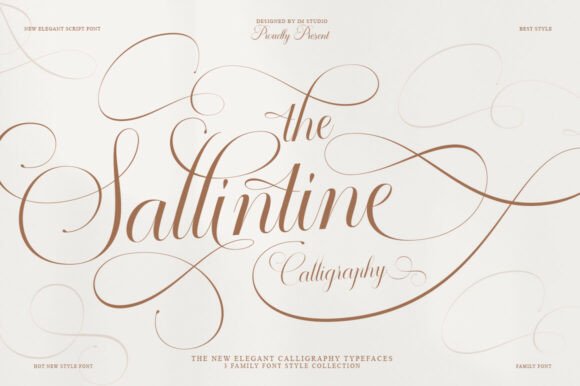
At its core, The Sallintine is a masterful study in contrast and flow. Its visual personality is defined by what designers call a "fluid-and-flawless" soul. This isn't marketing speak; it's a technical description of its stroke construction. The typeface is built on a light structural weight, giving it an airy, aristocratic feel. But its true magic lies in the details: the sweeping, romantic swashes that extend from key letters and the dramatic, looping tails that add a sense of movement and grandeur.
Think of it as a bridge. It takes the disciplined elegance of classic Copperplate script—a style rooted in formal penmanship—and infuses it with the bold, expressive energy required for modern typography. The result is a display font that feels both familiar and fresh. It doesn't shout; it whispers with confidence. The delicate strokes ensure it remains sophisticated, while the flourishes provide the "glamour" that makes it a standout choice for high-end branding.
Beyond the Wedding Invitation: Real-World Applications
While The Sallintine is an obvious and breathtaking choice for wedding invitations, limiting it to one niche would be a disservice to its versatility. Its aristocratic personality makes it a natural fit for any project aiming to convey exclusivity, craftsmanship, and refined taste.
Consider these practical applications:
- Luxury Brand Identity: For a boutique winery, artisan perfumer, or high-end cosmetics line, The Sallintine can become the cornerstone of the entire brand identity. Use it for the logo, primary packaging, and label design. Its graceful curves communicate quality and attention to detail before a customer even reads the product description.
- Editorial & Publishing: In editorial design, this font excels as a headline or pull-quote typeface for magazines, lookbooks, or high-end catalogs. It adds a layer of sophistication to lifestyle, beauty, and fashion content, creating impactful visual hierarchy that draws the reader's eye.
- Digital Presence & Social Media: The digital world is crowded. Using The Sallintine for social media graphics—like Instagram story headers, Pinterest pins, or YouTube channel art—can instantly elevate your content. It helps establish a consistent, professional aesthetic that builds recognition and makes your feed look curated, not chaotic.
- Packaging Design: From artisan chocolates to luxury candles, packaging design is where The Sallintine truly shines. It transforms a simple box or label into an experience, suggesting the product inside is something special and worth savoring.
Making It Work: Practical Guidance for Designers and Creators
Choosing a creative font like The Sallintine is only the first step. Using it effectively requires a strategist's mindset. Here’s how to ensure it enhances your project rather than overwhelming it.
1. Evaluate the Project's Voice
Ask yourself: Does this project call for a voice that is personal, luxurious, and slightly dramatic? If you're designing for a minimalist tech startup or a children's brand, The Sallintine is likely the wrong fit. But for a wedding planner, a luxury real estate agent, or a fine jewelry artisan, it speaks the right language. Its personality is a key asset; ensure it aligns with the brand's core message.
2. Mastering Font Pairing
A display font of this caliber needs the right partner. For web design or print layouts where you have body text, pair The Sallintine with a clean, neutral companion. A classic serif font like Garamond or a simple sans serif font such as Montserrat or Lato works beautifully. The goal is to let The Sallintine command attention in headlines while the supporting font ensures readability for longer passages. Never pair two highly decorative fonts together—they will compete and create visual noise.
3. Test for Readability at Scale
While stunning at large sizes, The Sallintine is a script font, and all script fonts have readability limits. Test it rigorously at the size you intend to use. For a logo, it's perfect. For a website headline at 36px, it's excellent. For a 14px caption, it might become challenging. Always prioritize clarity. In digital contexts, ensure sufficient contrast against the background.
4. Review the Included Styles & Licensing
Before purchasing, check what's included. Does the commercial font package offer multiple weights (like light, regular, bold) or stylistic alternates? These extras provide flexibility for creating nuanced typographic hierarchies. Crucially, understand the license. If you're using it for a client's logo, merchandise, or app, you need a license that covers commercial use. Reputable font foundries are clear about this—respect their work and protect your project.
The Sallintine is more than just another design asset; it's a tool for telling a story of elegance and intention. By understanding its visual DNA and applying it thoughtfully, you can harness its power to create designs that don't just look beautiful, but feel unforgettable. Whether you're a seasoned designer crafting a brand identity or an entrepreneur building your first luxury product line, it offers a direct path to imbuing your work with grace and glamour.