Salina: The Friendly Handwritten Script Font for Creative Projects
Understanding Salina's Visual Character and Appeal
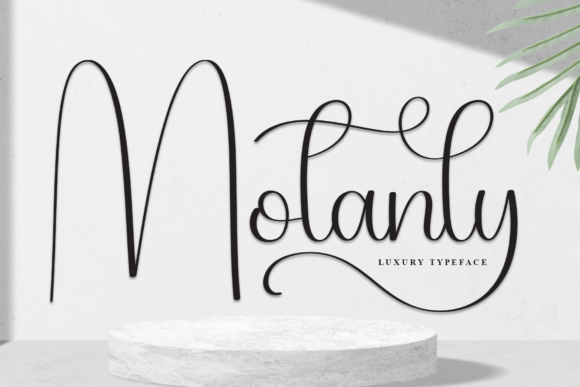
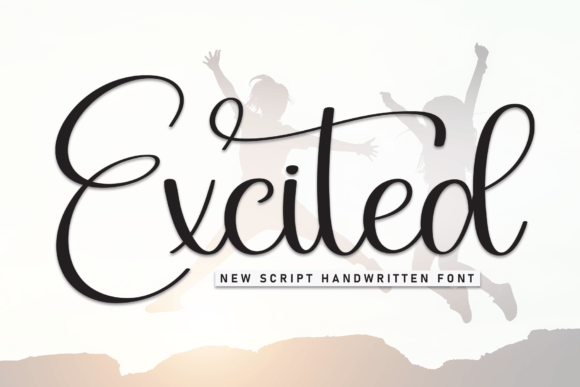
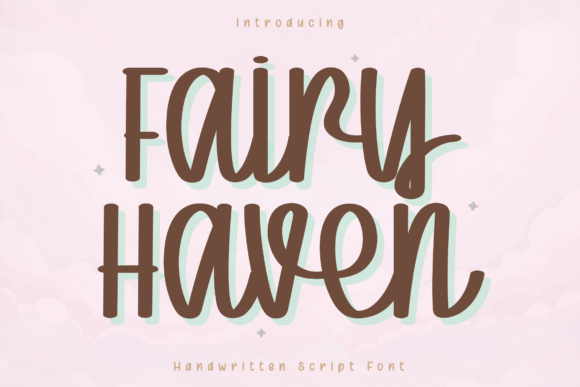
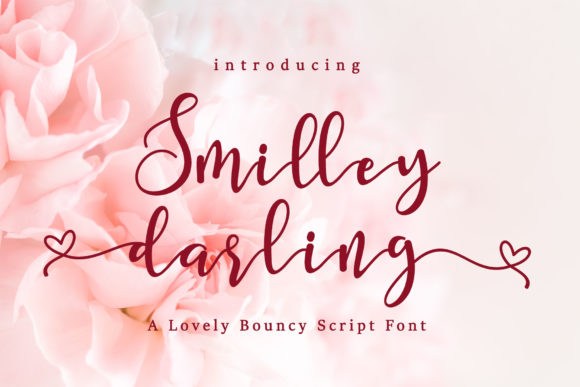
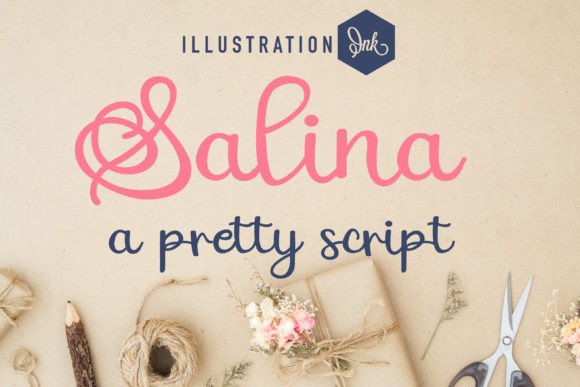
Salina presents itself as a friendly handwritten script font that immediately conveys warmth and approachability. Its defining characteristic lies in the curly uppercase letters, which introduce a playful rhythm without sacrificing legibility. This typeface doesn't aim for the formal precision of a serif font or the structured neutrality of a sans serif font. Instead, Salina embraces the organic, slightly irregular qualities of human handwriting, translated into a consistent digital format.
The visual personality of Salina strikes a balance between casual and intentional. It feels spontaneous, as though someone quickly sketched the letters, yet the design maintains enough consistency to function as a reliable display font. The curls on the uppercase characters add a decorative touch that prevents the text from appearing too plain or utilitarian. This makes it a creative font suitable for projects where you want to inject personality without overwhelming the viewer. It’s a premium font in the sense that it offers thoughtful design details, but its primary strength is its accessible, inviting aesthetic.
Where Salina Shines: Practical Applications Across Projects
Choosing the right typeface often depends on context. Salina finds its strongest applications in scenarios where a human touch is beneficial. Consider its use in logo design for small businesses, cafes, boutiques, or creative studios. The handwritten quality can make a brand feel more personal and less corporate, which is a significant advantage for entrepreneurs building a local or niche identity. It works particularly well for brands that emphasize craftsmanship, warmth, or personal service.
For social media graphics, Salina can be a powerful tool. The digital space is crowded, and fonts that feel authentic often perform better in capturing attention. Use it for quotes, announcements, or call-to-action overlays on images. Its style translates well to the screen, offering a break from the standard system fonts. Similarly, in editorial design, Salina can be used for pull quotes, section headers in magazines or newsletters, or chapter titles in books, especially within genres like lifestyle, romance, or children's literature. It adds visual interest and sets a specific tone.
Think about packaging design as well. Artisanal products, handmade goods, or specialty food items can benefit from a font like Salina. It communicates care and individuality, which aligns with consumer expectations for such products. For digital projects like website hero sections or email headers, Salina can create a strong first impression, provided it’s used sparingly and paired correctly. Its role is rarely for body text; its strength is as a headline or accent font to establish a mood.
The Influence on Perception, Readability, and Hierarchy
A font does more than display words; it shapes how those words are received. Salina influences brand perception by suggesting friendliness, creativity, and approachability. It can make a brand feel more relatable and less formal. This can be a strategic choice for businesses wanting to foster a community-oriented or personal connection with their audience. However, it’s crucial to ensure this perception aligns with the brand's core values. A law firm or a financial institution might find Salina too casual for their primary identity, but could potentially use it for a specific internal campaign or a community event invitation.
Regarding readability, Salina performs best at larger sizes. As a display font, its decorative elements and connected letters are designed to be seen clearly. In long paragraphs or small body text, the curls and connections can reduce legibility, especially for readers with visual impairments or on low-resolution screens. This is a common consideration with most script and handwritten fonts. Therefore, practical guidance suggests using Salina for headlines, logos, short phrases, and accents where its character can be appreciated without hindering comprehension.
Establishing a strong visual hierarchy is essential in design. Salina excels as a secondary or tertiary element in a typographic system. Pair it with a clean, highly legible serif or sans serif font for body text. The contrast creates a clear distinction between levels of information. For example, a blog post might use a sans serif for the main text and Salina for the article title and subheadings. This approach maintains professionalism and readability while injecting personality at key points. Consistency in using Salina across specific elements (like all quotes or all call-to-action buttons) reinforces brand recognition and creates a cohesive look across different media.
Making the Choice: Practical Guidance for Using Salina
Before committing to Salina for a project, a few practical steps can ensure it’s the right fit. First, evaluate the project's tone and audience. Does the creative brief call for warmth and playfulness? Is the target audience likely to respond positively to a handwritten style? If the project requires utmost formality or is aimed at a very traditional demographic, another typeface might be more appropriate.
Next, test font pairings. Download a sample of Salina and place it alongside potential candidates for body text. Common pairings include geometric sans serifs for a modern contrast or transitional serifs for a more classic feel. Observe how the weights and sizes interact. The goal is harmony, not competition. Ensure the secondary font has excellent readability at the sizes you intend for running text.
Review the included styles and character set. A quality premium font like Salina often comes with more than just the basic uppercase and lowercase. Check for alternates, ligatures, and extended language support. These features can provide more flexibility and uniqueness in your designs. Also, understand the commercial licensing. If you're using Salina for client work, merchandise, or digital products, ensure the license covers your intended use. Most reputable font foundries provide clear licensing information; respecting these terms is part of professional practice.
Finally, test in context. Don’t just look at the font in a word processor. Create a mock-up of your actual project—a sample social media post, a draft logo, a layout for a brochure. See how Salina performs with your actual content and color palette. This real-world test is the best way to judge its impact on your specific design assets and overall brand identity. Salina is a versatile tool in the modern typography landscape, but like any tool, its value is realized through thoughtful and appropriate application.