Kingkong: A Retro and Groovy Script Display Font
There's a specific feeling you get when you find a typeface that just clicks. It’s not about following a trend or picking the most popular option on a font library. It’s about discovering a voice that aligns perfectly with the story you want to tell. In a world saturated with clean, minimalist sans serifs and classic serifs, finding a creative font with genuine personality can feel like a breakthrough. This is where a typeface like Kingkong enters the conversation—not as just another file in your assets folder, but as a design partner with a distinct, unforgettable character.
The Unmistakable Vibe of Kingkong
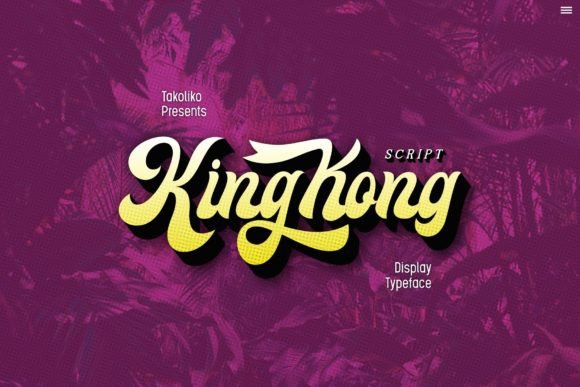
At its core, Kingkong is a retro and groovy script font. But those words alone don’t capture its full appeal. Imagine the hand-lettered title of a 1970s album cover, the playful branding on a vintage soda bottle, or the whimsical logo of a neighborhood ice cream parlor. That’s the territory Kingkong inhabits. Its letterforms are fluid and connected, mimicking the natural flow of a sign painter’s brush, but with a deliberate, stylized flair. The strokes vary in weight, creating a dynamic rhythm that feels both energetic and approachable.
This isn't a formal, elegant script. It’s a handwritten font with a smile. There’s a quirky, optimistic quality to its curves and loops. It avoids the sometimes overly polished look of modern script fonts, instead embracing a slight imperfection that gives it warmth and authenticity. As a premium font, Kingkong is designed to be more than just letters; it’s a tool for infusing projects with a specific mood—one that’s nostalgic, friendly, and full of life.
Where Kingkong Truly Shines: Practical Applications
Understanding a font’s personality is one thing; knowing where to deploy it is another. Kingkong’s strength lies in its ability to command attention without shouting. It excels as a display font, perfect for headlines, logos, and short bursts of text where you want to inject immediate character. Think of it as the typographic equivalent of a signature accessory—it defines the outfit.
In logo design, Kingkong can be transformative for the right brand. A boutique bakery, a craft brewery, a vintage clothing store, or a podcast about pop culture could use it to instantly communicate a fun, retro, and approachable identity. It sets a tone that a standard sans serif font simply cannot. For packaging design, it’s a natural fit, helping products stand out on a crowded shelf with a handcrafted, personal feel that suggests care and creativity.
Beyond physical products, its applications in digital and print are vast. For editorial design, imagine it as the pull-quote or chapter title in a lifestyle magazine, adding a punch of personality between more neutral body text. On social media graphics, it can make a quote post or announcement feel more engaging and less corporate. It’s also a fantastic choice for event invitations, greeting cards, and poster designs where a celebratory, informal tone is key. Even in web design, used sparingly for key headers or calls-to-action, it can break the monotony of a page and guide the user’s eye with style.
Making Kingkong Work: Pairing and Readability
The true test of a display font like Kingkong is how well it plays with others. Its strong personality means it shouldn’t be used for long paragraphs of body copy; that’s a job for a legible serif font or a clean sans serif. The magic happens in font pairing. A great strategy is to couple Kingkong with a simple, geometric sans serif. The contrast is striking: the organic, flowing energy of the script is grounded by the clean, stable lines of the sans serif, creating a balanced and professional visual hierarchy.
For example, pairing Kingkong with a font like Montserrat or Lato for supporting text allows the headline to pop while ensuring the rest of the content remains highly readable. This contrast is fundamental to good modern typography. It prevents the design from feeling chaotic and ensures the audience’s focus is directed exactly where you want it. This thoughtful pairing enhances brand perception, showing that you understand both flair and function.
A Designer's Checklist for Using Kingkong
Before you integrate Kingkong into your next project, run through these practical steps:
- Evaluate the Project's Tone: Does the project call for whimsy, nostalgia, and energy? If the goal is corporate seriousness or ultra-modern minimalism, Kingkong might not be the right fit. Its personality is its strength, but it must align with the project’s voice.
- Test the Pairing: Don’t just guess. Set your Kingkong headline and then experiment with at least three different body copy fonts. Look at the spacing, the x-height, and the overall color on the page. The goal is harmony, not competition.
- Review the Glyphs: A quality commercial font often includes alternate characters and ligatures. Explore what Kingkong offers. Swapping a standard 'a' for an alternate can sometimes perfect a logo lockup or headline.
- Consider the Context: Readability is paramount. Ensure the font size is large enough for its intended use, whether it's a website header or a printed invitation. Test it at the actual scale it will be viewed.
- Understand the License: For any commercial work, confirm you have the appropriate font licensing. Using a font correctly is part of professional practice and protects both you and the font creator.
Ultimately, a typeface is a tool, and a good designer knows how to choose the right one for the job. Kingkong is a specialized tool. It’s not for every project, but for the ones it suits, it delivers a result that is lively, memorable, and deeply human. It’s a design asset that can help build a stronger, more recognizable brand identity by adding a layer of authentic personality. When you add it confidently to the right project, you don’t just like the results—you love them.